Musicians have always known that visual identity informs how people hear their music and their artistry. Stage dress can signal genre, attitude, and artistic evolution before a single note is heard. The connection between what you wear and how you sound has become increasingly complex over the past thirty years, turning musicians into multi-media brands.
The 1990s laid the foundation of how music and fashion would become increasingly intertwined. Hip-hop performers, including The Notorious B.I.G., helped popularize Timberland boots and loose-fitting trousers as streetwear looks that set the visual tone for an entire music genre. Admirers of Hilfiger attended his store and those of rivals to emulate the styles, highlighting the power of stage style to influence what people buy.
This relationship was further accelerated by MTV, which brought the visual element into the musician’s necessary arsenal for commercial success. Madonna dressed herself in black fishnet tops, lace head bows, and rubber bracelets in her early videos. Young people in the audience adopted every detail, a clear indication that costumes from the stage can inspire fashion trends just as easily as styles from the runway.
The commercial monopoly of hip-hop pulled high fashion into the culture of music. The artists started to wear high-end designer labels as symbols of status; success in life could be measured by what you wore. This era set the pattern for subsequent collaborations in music and fashion that would make billions.
The connection between high-end imagery and artistic reliability was no longer confined to onstage rehearsals. Music acts understood that high-quality production values in their videos, at award ceremonies, and even in their personal lives, bolster the brand of their sound. Those who channeled luxury appeal drew in crowds who equated costly aesthetics with well-made music.
Dubai emerged as a destination where music industry professionals showcase success through lifestyle choices. The city’s premium car culture attracts artists and executives who understand visual messaging. Services like Trinity Rental cater to this market with non-native vehicles that match the luxury aesthetic musicians project.
Their fleet includes 2024 models with minimal mileage, and clients can rent a McLaren rental Dubai for appearances that reinforce their brand image. Additional conveniences — delivery to any location, payment flexibility through cash, card or cryptocurrency, a full tank of gas included, and a dedicated manager — eliminate logistics concerns for busy professionals.
Artists can concentrate on their public image rather than navigation when they have a fancy car with a driver option. Extended stays for industry events or film shoots are supported by the 300 km daily travel limit and tax inclusive rates. When visual presentation influences career destiny just as much as speaking talent, these pragmatic nuances are important.

Today’s artists treat fashion as a core business rather than a promotional expense. According to Chain Store Age, Taylor Swift’s Eras Tour generated approximately $7 billion in total retail economic impact across North America. This figure includes concert related fashion purchases which demonstrates how stage costumes directly drive consumer spending.
The numbers reveal fashion’s financial importance to modern touring. Research from QuestionPro indicates that North American concertgoers spent about $1,572 per show in 2024, covering tickets, costumes, merchandise and related expenses. Artists who design memorable stage looks capture significant portions of this spending.
More and more musicians are starting their own clothing and cosmetics brands which directly generates income from their own sense of style. According to data, Fenty Beauty by Rihanna brought in more than $600 million in 2024, demonstrating that product sales are correlated with stage presence. The singer’s fashion and cosmetics endeavors were a major part of her $2.8 billion commercial empire.
Today, fashion serves as a means for artists to express their evolution in real time. Harry Styles dons floral suits and sheer blouses to challenge gender norms(and makes his music sound progressive and boundary-breaking). Billie Eilish wears baggy clothes as a statement against body image pressures, tying her visual branding to lyrical themes of authenticity and mental health.
Stage fashion now functions as an artistic statement, a marketing tool, and a revenue source simultaneously. The most successful artists approach the following elements strategically:
In congested markets, artists who are skilled at visual-sonic integration draw attention. There has never been a clearer or more profitable link between stage attire and musical identity. The performers dominating the 2025 charts understand that clothing choices shape listening experiences as powerfully as production quality or lyrical content.
Fashion choices are now strategic investments that appear in recording contracts and tour budgets. Labels know that visual differentiation drives streams and ticket sales. The artists’ enduring success and treating their career like a business consider a wardrobe department to be as important as a recording studio.
This transformation parallels wider shifts in what music consumers want. Fans have access to artists on Instagram, TikTok, and red carpet moments just as much as they do on music platforms. Visual cohesion within these interactions contributes to a stronger sonic brand identity and helps the development of emotional bonds that can push casual listeners to become loyal fans.
The progression from 90s MTV clips to 2025 stadium dates is proof that fashion has become an inextricable part of musical creativity. Musicians who do not consider their look are all but missing out on their full commercial potential and audience reach. Those who treat fashion as a creative medium see their artistic vocabulary and business possibilities expanding at the same time. The defining artists of this time may very well be those who intuitively understand that sound and style are two sides of the same artistic expression.
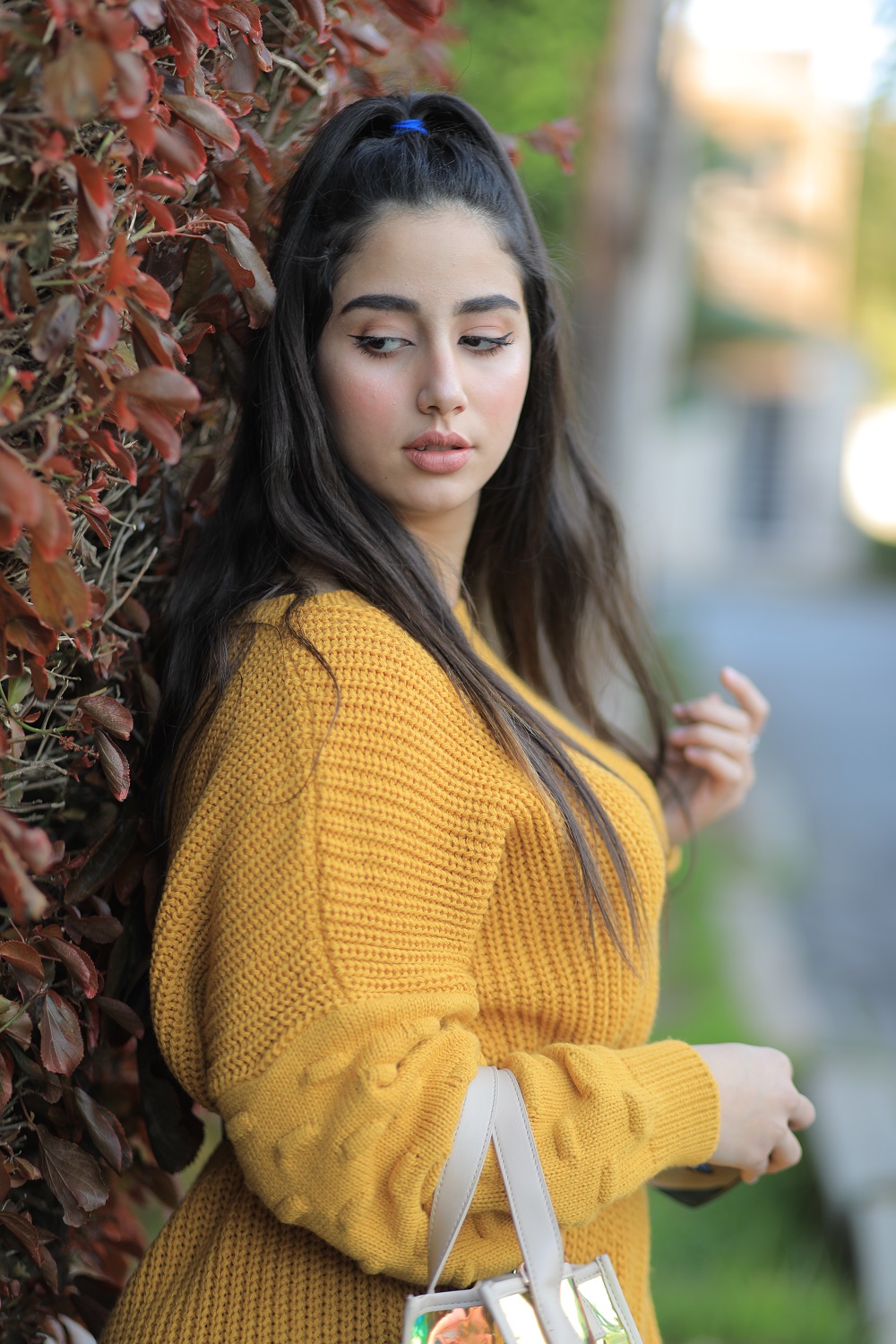
Good taste never goes out of style! Mehreen Hassan at Vogue Vocal is as vocal about all time tried and tested beauty secrets as it can get! The real deal behind a well put together look is the confidence that glows and shines from within! Mehreen is your beauty guru with the nature’s secrets, DIY skincare, and all the trending Beauty products! Let’s learn the dos and don’ts of a skincare routine and let your beautiful personality shine through!