

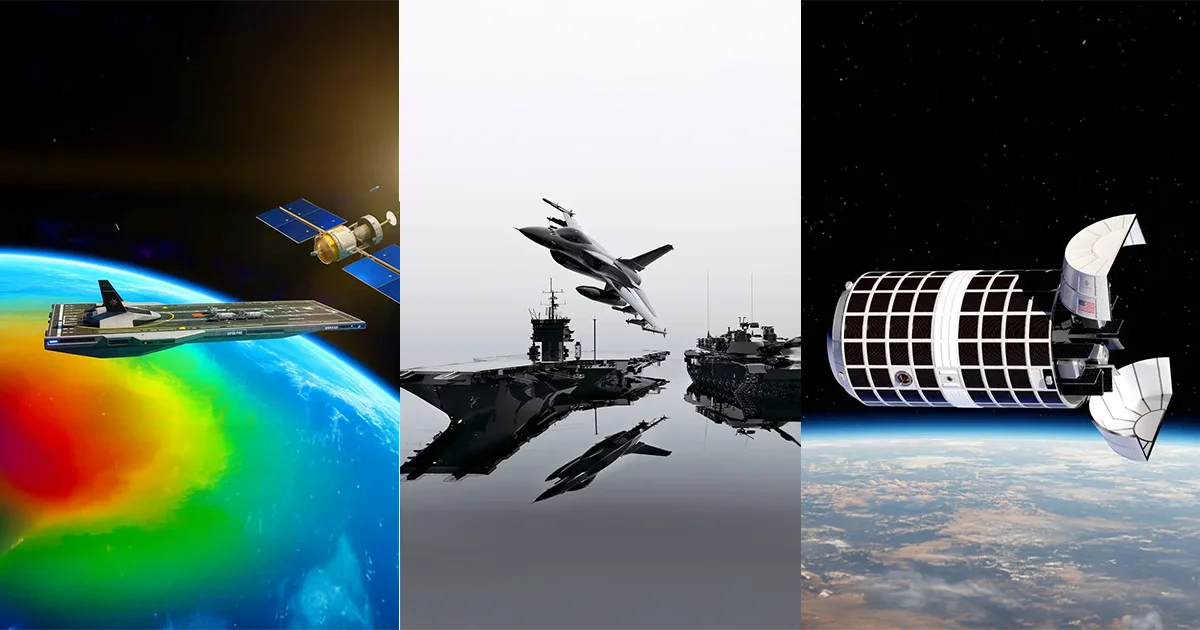
Wait—did someone just say orbital warship carrier? No, you’re not scrolling through a sci-fi thread. The U.S. Space Force actually teamed up with Gravitics to create a futuristic Space Force Orbital Warship Carrier that sounds straight out of Star Wars.
We at Vogue Vocal couldn’t resist diving into this story—it’s bold, bizarre and beautifully human. After all, when we talk about breaking barriers, space is the new runway.
Funded under SpaceWERX’s Strategic Funding Increase (STRATFI) program with up to $60 million in combined government and private investment, the orbital carrier is designed as a pre-positioned launch platform in space, not a weapon itself, but a force multiplier.
The orbital carrier is designed to function like an aircraft carrier—except it operates in Earth’s orbit.
Instead of jets, it hosts multiple maneuverable space vehicles that can deliver a rapid response to address threats on orbit. Operators can deploy, reposition, and even recover these vehicles without returning them to Earth.
In practical terms, this means:
Unlike conventional satellites locked into predictable orbits, this system supports the dynamic, tactically responsive space operations, a capability long sought by defense planners.
The Space Force Orbital Warship Carrier is drawing attention because it redefines how power is projected in space. Instead of relying on the ground based launches, it introduces a pre-positioned orbital platform designed to respond to emerging threats with far greater speed.
Gravitics CEO Colin Doughan describes it as a “pre-positioned launch pad in space,” underscoring its ability to bypass traditional launch constraints and support tactically responsive space operations. Since 2019, the U.S. Space Force has prioritized speed and adaptability and this program reflects that shift—signaling how central space security has become on the global stage.
While full specifications remain classified or under development, publicly available disclosures and expert analysis point to several realistic features:
This approach represents a clear departure from static satellite constellations.
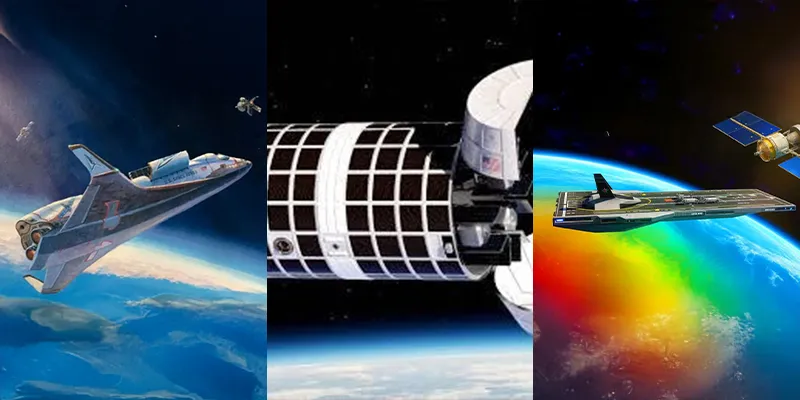
The project’s inclusion in a strategic funding increase program is significant.
STRATFI investments support technologies that:
This funding signals institutional confidence that the concept is technically achievable, even if scaled deployment remains years away.
The timeline remains realistic rather than the speculative while officials have not announced a public launch date.
This measured pace aligns with the Space Force’s emphasis on the tested, incremental capability rather than the cinematic ambition.
The implications extend far beyond a single platform.
The carrier would provide the Space Force with unprecedented flexibility and speed, allowing assets to be repositioned without waiting months for launch windows.
By significantly enhancing the nation’s space defense posture, the system acts as a deterrent—its value lies in readiness, not constant engagement.
This represents a move away from fragile, high-value single satellites toward distributed, responsive systems that are harder to neutralize.
In short, space operations significantly enhancing national security are no longer theoretical—they are being engineered.
This is not science fiction—nor is it easy.
Key constraints remain:
However, unlike speculative “space battleships,” this carrier does not require non-native propulsion or massive crews, making it a credible near-future capability rather than a fantasy construct.
The Space Force orbital warship carrier is not a cinematic fantasy—and it’s not an imminent starship either. It delivers a measured, strategically grounded response to a reality where space is contested, congested and critical.
By pre-positioning assets, enabling rapid response and bypassing traditional launch constraints, the Space Force is building a future where flexibility, not sheer force defines dominance. And at Vogue Vocal, we’ll continue tracking what happens when tomorrow’s defense strategy quietly leaves the page and enters orbit.
No. It is a deployment and operations platform, not a direct combat system.
Current treaties limit the use of weapons of mass destruction in orbit rather than on maneuverable platforms or deployment systems.
Because traditional launch constraints enabling slow response, leaving gaps. This system eliminates those delays.
Demonstration missions are not operational yet, but teams are actively funding and developing them.
It increases deterrence. Whether it escalates conflict depends on how global norms evolve.

The Fashion and Style enthusiast with a flair for drama and entertainment! A millennial on the lookout for the trending styles inspired by and believes in: “You can get anything in life if you have the right dress for it!” Adding a little magic through the power of words and not holding back on fashion and styling opinions! Let’s connect to stay on top of trend alerts and the who is who of Fashion world and get inspired to give your personality the styling oomph you’ve been craving for! Nageen Abbas at Vogue Vocal is the brains behind our Woke Vogue and Lifestyle Library!