

Home extensions are a practical way to increase room without moving but they can present difficult structural challenges. The way the new roof works with the current system is among the most important. A poorly planned connection can create weak points, drainage problems, and long-term maintenance issues that affect the entire structure.
When a home expands, the roofing system must evolve with it. MIKE RAGAN ROOFING approaches expansion projects with a focus on continuity rather than separation. The purpose of addition roofs is to integrate new and existing parts into a unified system that functions uniformly throughout the entire building.
Homeowners can make well-informed judgments during expansion projects by knowing how roofing facilitates effective expansions. When the roof is planned and executed correctly, it preserves protection, appearance and performance while allowing the home to grow naturally.
Roofing an addition is more complex than roofing a standalone structure. The new section must align with existing rooflines, slopes, and materials while maintaining proper water flow.
Inadequate planning might result in leaks and uneven wear due to mismatched angles or poor transitions. For addition roofs to be compatible, the original structure must be thoroughly examined. Early resolution of these issues facilitates more seamless integration.
Long term performance depends on alignment.
One of the most important components of any roofing system is water control. Existing drainage patterns frequently alter with an addition.
A well-designed roofing expansion moves water easily across both old and new portions. In addition to preventing pooling, proper integration lessens seam tension. Regular drainage keeps moisture from penetrating the entire building.
Unified flow facilitates dependable security.
Roof systems disperse weight among the framing and walls. Adding more sections alters load dynamics and must be handled cautiously.
The purpose of addition roofs is to distribute loads equally between new and old buildings. Equitable weight distribution is ensured by appropriate framing and connection. Balanced loads avoid long term structural strain and drooping.
Durability is supported by structural harmony.
Using incompatible materials between old and new roof sections can lead to uneven aging and performance issues. Differences in expansion, wear or durability create weak points.
Careful material selection ensures that new roofing components age at a similar rate to existing ones. Consistent performance reduces maintenance complexity. Uniform materials support predictable longevity.
Consistency improves long term reliability.
Instead of feeling like an afterthought, additions should blend in with the house naturally. A key component of visual continuity is roofing.
Pitch, color, and texture of well-designed extension roofs match those of the original building. This maintains curb appeal by creating a cohesive appearance. The entire value of a property is increased by visual coherence.
Continuity in design enhances visual impact.
Leaks are especially likely to occur in transition regions where new and old roofs meet. Water can enter through improper flashing or alignment.
With the proper sealing and details, professional integration strengthens these transitions. Stronger connections lower the danger of long-term leaks. Secure transitions keep interior spaces safe.
Strong ties stop problems from happening again.
Extensions to the roof must work with the current insulation systems. Misalignment or gaps lower thermal performance.
The design of addition roofs ensures uniform insulation coverage throughout the building. This continuity promotes the energy efficiency and steady interior temperatures. The larger home is more comfortable overall when the insulation is effective.
Thermal continuity makes life better.
When roofing systems are unified, maintenance becomes easier. Separate or mismatched sections complicate inspections and repairs.
Integrated roofing solutions allow the entire system to be maintained as one. This simplifies long-term care and reduces confusion. Predictable maintenance supports better planning.
Unified systems simplify upkeep.
An improperly integrated addition can shorten the lifespan of the original roof. Water diversion or added stress may accelerate wear.
Instead of compromising existing materials, addition roofs are designed to safeguard them. Integration done correctly maintains the value of prior investments. Protection prolongs the system’s lifespan.
Preservation promotes the economical efficiency.
Home additions must meet current building codes even when attached to older structures. Roofing plays a role in compliance.
Integrated roof systems are designed to meet applicable standards across both sections. Proper planning avoids compliance issues and inspection delays. Code alignment supports responsible expansion.
Compliance reduces long term risk.
Additions should feel as comfortable as the rest of the home. Roofing performance affects temperature regulation and noise control.
Well designed roofing integration supports consistent comfort across all rooms. Stable performance prevents drafts and temperature variation. Comfort and consistency improve usability.
Unified roofing enhances the interior experience.
Different roof sections exposed to varying conditions may age unevenly. Poor integration amplifies this problem.
Addition roofs distribute exposure more evenly across the system. Balanced performance reduces localized wear. Even aging improves long term reliability.
Balanced exposure supports durability.
When roofing integration is poorly executed, corrective work is often needed later. These fixes disrupt both old and new areas.
Proper planning minimizes the need for future modifications. Thoughtful execution ensures the system works as intended from the start. Prevention reduces disruption and cost.
Correct execution avoids rework.
Additions increase property value only when executed properly. Roofing integration significantly influences buyer perception.
Unified roofing demonstrates quality construction and thoughtful planning. Mike Ragan Roofing emphasizes integration to support lasting value. Strong execution reassures future buyers.
Quality integration supports market confidence.
Additions to a home need large financial outlays. Uncertainty over roofing integration sometimes leads to hesitancy.
Expert planning offers assurance and clarity. Homeowners can move forward with confidence knowing that the roof will function as a single system. A trustworthy design fosters confidence.
Clear answers help people make confident decisions.
Home additions require more than extra space; they demand thoughtful integration that preserves structural performance and protection. Addition roofs play a critical role by unifying drainage, load distribution, insulation and appearance across expanded structures. With careful planning and professional execution from MIKE RAGAN ROOFING, homeowners can expand their living space without compromising reliability. When roofing integration is handled correctly, additions feel seamless, perform consistently and support long term confidence in the home’s future.
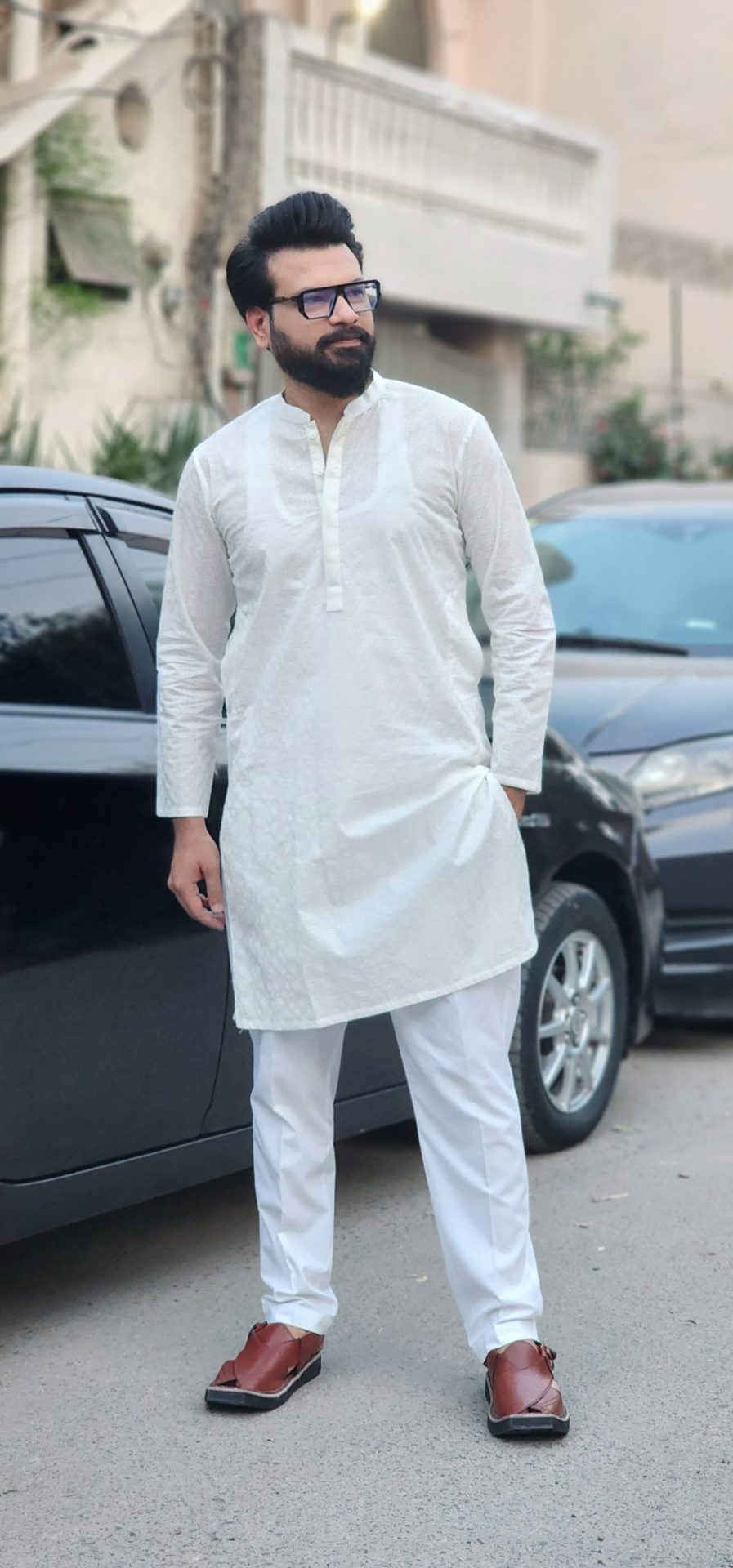
Are the men in house ready to take their style game up a notch? Aly at Vogue Vocal is the eyes and ears of entertainment industry with that Gen-Z x-factor! Aly’s personal style statement raises the bar high and knocks it out of the park so trust him for picking the best for Vocal Fashion, our e-magazine edit, the heart and soul of Vogue Vocal!