The way we think about luxury fashion is changing fast. More people are choosing vintage and pre-owned pieces instead of always buying new items. This shift isn’t just about saving money or chasing a trend.
The pre-owned luxury market is rewriting the rules of what makes fashion valuable, desirable, and worth owning. Secondhand designer goods increasingly carry comparable cultural status to new, runway season pieces. The global resale market is worth billions and keeps growing every year.
This change goes deeper than just shopping. It’s shifting how we define quality, express personal style, and even what “luxury” means. From the way craftsmanship ages to how fashion lines up with our values, the pre-owned market is reshaping luxury culture in ways that actually matter.
For years, luxury fashion was all about being first. The ultimate status symbol was wearing something straight off the runway before anyone else. Brands pushed endless collections and constant newness became the norm.
But something shifted. People are getting tired of the constant churn and starting to question whether newness really equals value.
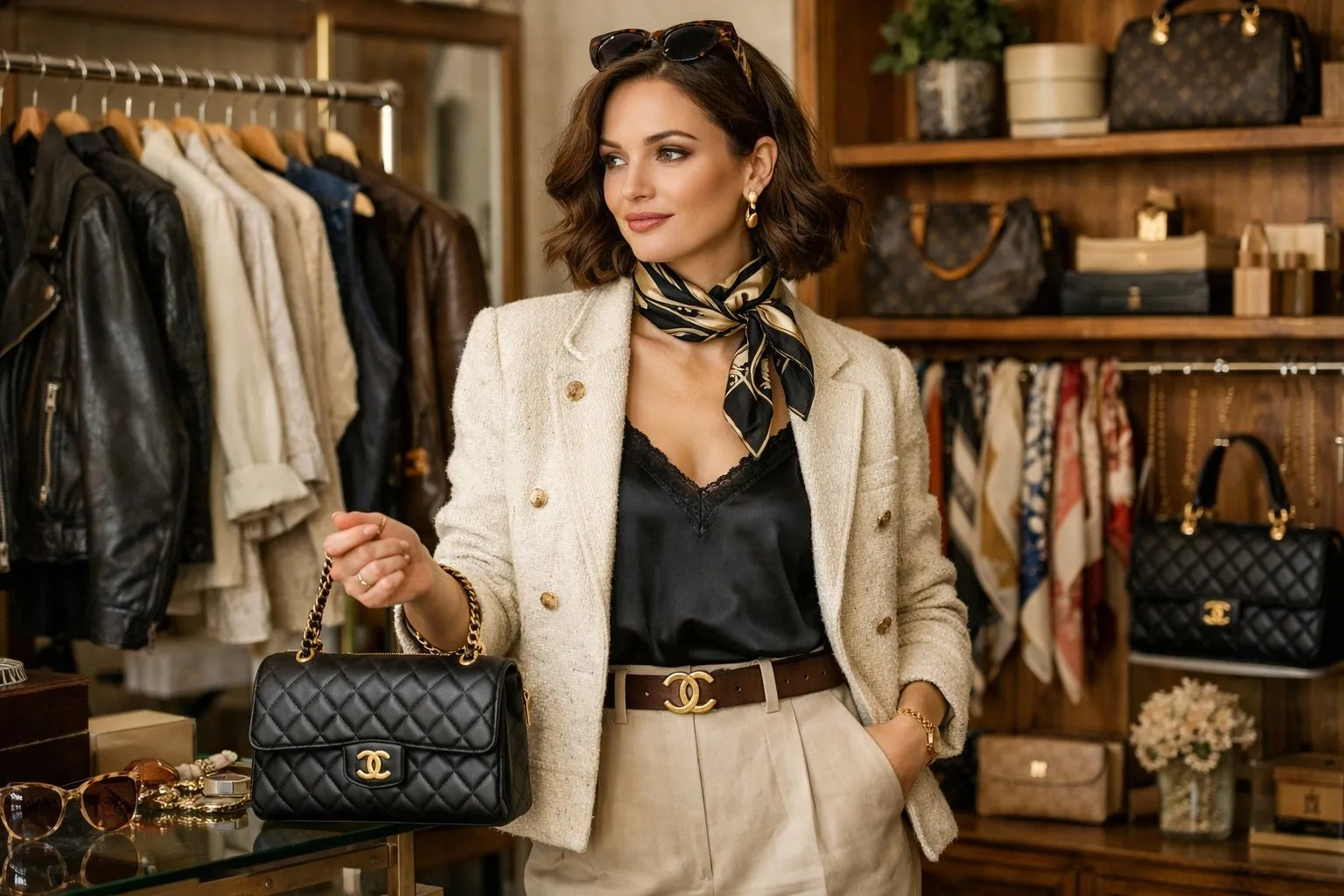
Increasingly, wearing a vintage piece or carrying a pre-loved Chanel handbag is seen as a signal of fashion knowledge rather than simply purchasing power. It’s about taste and knowing fashion history, not just the money to buy whatever just came out.
The focus is moving toward quality, craftsmanship, and pieces with stories behind them. Vintage and pre-owned items offer all of that without the pressure to constantly buy new.
When we buy something new, it’s easy to get distracted by the shiny packaging and fresh tags. But vintage pieces tell a different story. They’ve had years to prove their worth.
Quality construction reveals itself as items age. A well-made bag from decades ago still holds its shape. The stitching stays tight. The leather develops character instead of falling apart.
We can actually see the difference between real craftsmanship and mass production once time does its thing. Fast fashion items often look worn out after a few washes. Vintage luxury pieces keep going strong.
This is why vintage fashion lovers get so excited about finding older items. Many vintage luxury pieces feature materials and construction standards that are less common in today’s scaled production.
The flaws in modern manufacturing become clear, too. When you hold a vintage item next to its contemporary version, you notice what’s missing. It’s like getting a masterclass in quality without even trying.
There is now a significant change occurring in luxury fashion. Environmental effect has become more important to brands and consumers. Purchasing used goods is no longer settling. In particular, younger consumers view it as a wise decision that aligns with their values. They desire exquisite pieces free of waste and overproduction shame.
The luxury houses that win going forward will balance beautiful craftsmanship with real environmental responsibility. Many heritage brands are already getting on board with resale programs because they realize sustainability actually adds to their appeal.
Transparency matters now too. People want to know where items come from and how they were made. The vintage and pre-owned market delivers on this naturally since these pieces already exist.
So we get to enjoy luxury fashion while making choices that feel better for the planet. That mix of style and conscience is reshaping what luxury even means in the coming years.
There’s a major shift happening. Many Gen Z consumers are questioning rapid trend cycles and experimenting with more personal, long-term approaches to style.
Vintage shopping lets people build wardrobes that actually reflect who they are. When trends used to take years to develop, subcultures had time to form and personal style could evolve naturally.
Now, with social media speeding everything up, the pressure to follow every micro-trend has left a lot of us feeling exhausted.
That’s where pre-owned fashion comes in. Each vintage piece has its own story and history. Unlike mass-produced items flooding fast fashion stores, these pieces let us create looks nobody else has.
The idea that style entails purchasing whatever is popular right now is being rejected by younger consumers. Rather, they are expressing themselves by combining designers and decades. It’s not just about consumption; it’s also about curating. The appeal is straightforward. New luxury goods frequently lack the originality and genuineness of vintage clothing. Selecting secondhand entails making a statement rather than just fitting in.
High-end fashion labels are reconsidering their archives. These collections are no longer only outdated inventory. They are evolving into museum exhibits that narrate tales of workmanship and design history.
Major fashion houses now hire dedicated archivists to preserve past collections. This goes beyond storage in climate-controlled rooms. Brands use these pieces to inspire new designs and honor where they came from.
When we buy vintage or pre-owned luxury items, we’re part of this cultural preservation. Each piece carries design techniques and fabric treatments that might not exist in modern production. That vintage Chanel jacket or pre-owned Hermès bag represents specific moments in fashion history.
The resale market has made this heritage accessible to more people. We don’t need museum connections to own a piece of fashion history anymore. Pre-loved luxury platforms let us become caretakers of these cultural objects.
Luxury fashion is turning into an actual asset class. Industry forecasts project the secondhand market to reach tens of billions of dollars in the mid-2020s and people are treating their closets like investment portfolios.
It’s not just about looking good anymore. Shoppers research resale values before buying, checking which designer pieces hold their worth over time.
Select pieces such as certain Hermès Birkin bags or rare vintage Chanel designs, have shown appreciation under the right conditions.
This shift changes how we shop. Instead of buying trendy pieces that lose value fast, we’re choosing classic items that can be resold later. Fashion purchases are becoming financial decisions.
The psychology is simple. When you know you can recoup most of your money by reselling, that $3,000 handbag feels less risky. You’re not just spending, you’re investing in something you can wear and maybe profit from.
Pre-owned and vintage goods are ideal for this way of thinking. Their ability to endure in the market has already been demonstrated.
Luxury used to mean one thing: exclusive, expensive and only for a select few. But that’s changing fast.
Today’s luxury buyers want brands that reflect their values and represent diverse communities. Research shows that brands investing in the cultural relevance and inclusivity outperform peers on customer loyalty.
Luxury houses are rethinking who they design for and how they tell their stories. It’s no longer just about Eurocentric ideals of beauty and wealth. The industry’s finally opening up to multicultural perspectives and broader definitions of value.
Vintage and pre-owned fashion fit perfectly into this. These pieces don’t discriminate based on who can afford the latest collection. Anyone can access iconic designs and quality craftsmanship through resale platforms.
This evolution means luxury isn’t just for the ultra-wealthy anymore. It’s becoming more about personal style, cultural meaning and individual values than price tags alone.
Vintage and pre-owned luxury fashion raises plenty of questions for shoppers exploring this shift. From how brands are responding to authentication practices, the movement touches everything from exclusivity to environmental impact.
Luxury brands are drawing inspiration from their own archives, reissuing vintage designs and techniques to honor heritage. Many have launched official resale programs to control quality in the pre-owned market. They’re also shifting toward timeless, durable pieces over fast trends.
Yes, pre-owned luxury gains exclusivity through rarity, discontinued styles, and unique history. Well-preserved vintage pieces are often scarcer than current collections. It’s about owning something truly one-of-a-kind, not just expensive.
Millennials and Gen Z prioritize sustainability and value, driving demand for pre-owned luxury. Online platforms with authentication services have made buying safe and accessible. Vintage pieces often cost 40–60% less than new while maintaining quality.
Buying pre-owned extends garment life and prevents new production, saving raw materials, water, energy and emissions. It keeps quality items out of landfills and fights fast fashion waste. It also promotes choosing durable, timeless pieces over disposable ones.
Experts examine stitching, hardware, stamps, serial numbers and materials to verify authenticity. Condition, wear, repairs and overall preservation heavily influence value. Provenance, rarity, limited editions and original accessories further increase worth.
Celebrities wearing archival pieces on red carpets make vintage feel fresh and desirable again. Influencers demonstrate modern styling, share authentication tips and normalize thrifting luxury. Their visibility removes intimidation and inspires new shoppers.
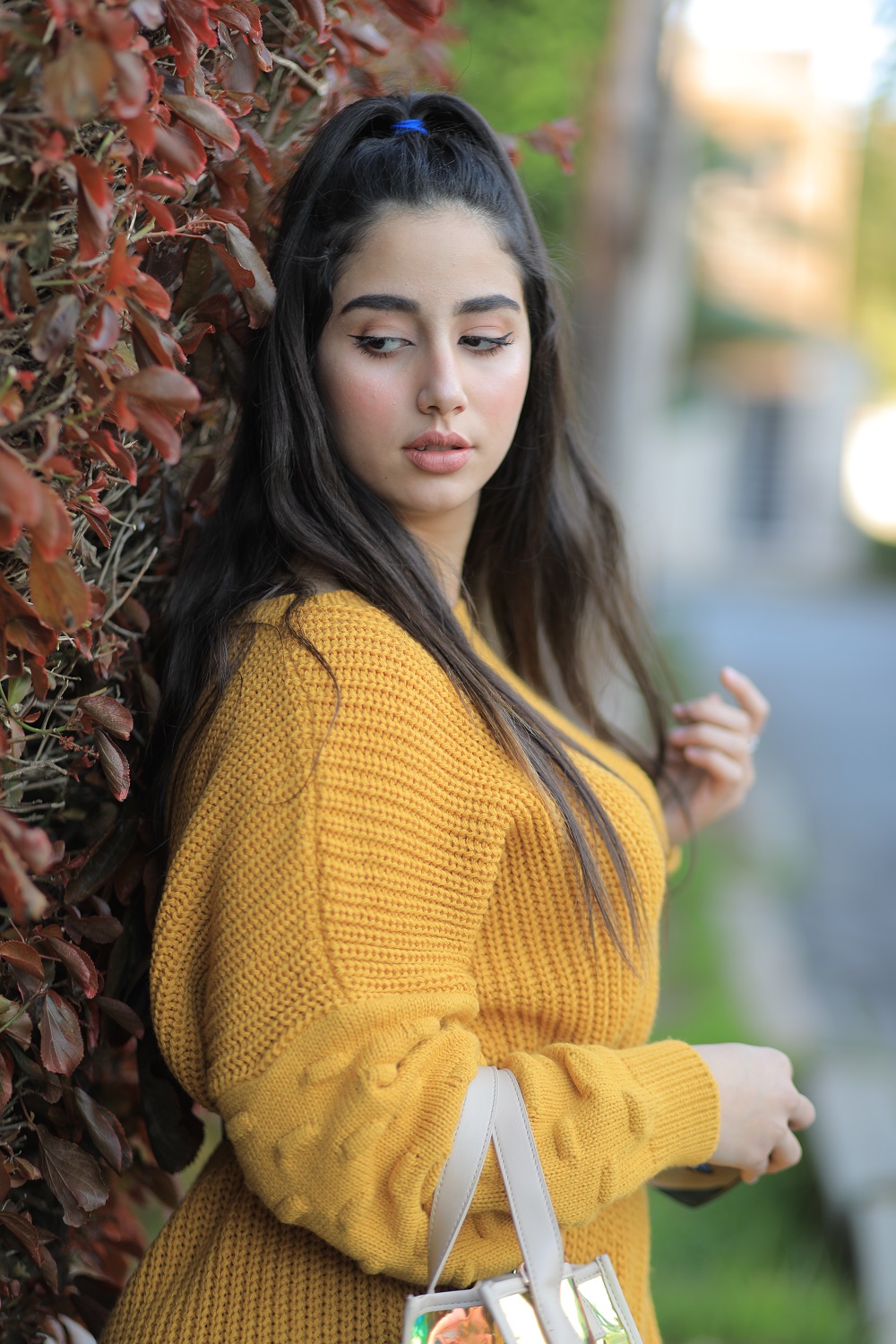
Good taste never goes out of style! Mehreen Hassan at Vogue Vocal is as vocal about all time tried and tested beauty secrets as it can get! The real deal behind a well put together look is the confidence that glows and shines from within! Mehreen is your beauty guru with the nature’s secrets, DIY skincare, and all the trending Beauty products! Let’s learn the dos and don’ts of a skincare routine and let your beautiful personality shine through!