
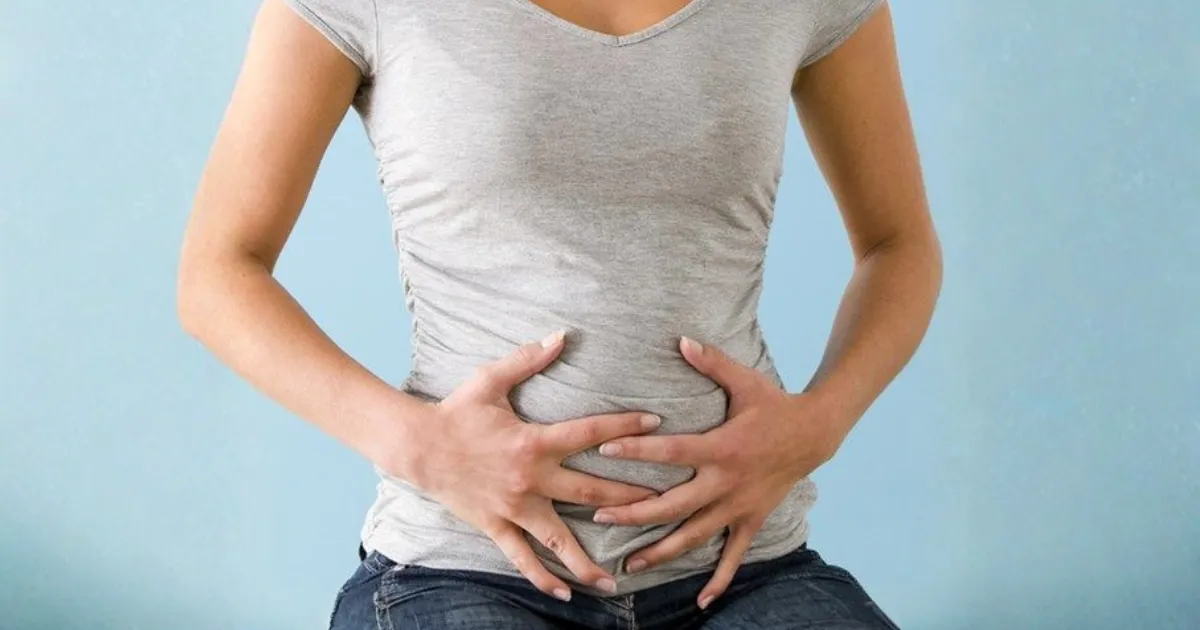
Becoming a mother changes many parts of life, including sleep patterns, emotions, and the body itself. Many women look in the mirror weeks after giving birth and notice that their belly still looks a little round, almost as if they are still pregnant. This can feel confusing and even discouraging, especially after the excitement of meeting the baby.
Despite what social media often shows, healing after childbirth takes time. The body did something amazing to grow a baby, and now it needs care and patience to recover. That lingering belly is not always about weight or diet. Often, it is related to what is happening deep under the skin, in the abdominal muscles and connective tissue.
This is why understanding conditions like divarication of the recti becomes important. Knowing what is really happening can lift a large emotional burden from a new mother’s shoulders and help her take the right steps to support recovery.
During pregnancy, the growing uterus pushes on the abdominal wall, stretching the muscles and connective tissue. The core muscles, which normally keep the body stable and supported, gradually lose their firmness. After birth, it takes time for these muscles to regain strength. For some women, this recovery is slower or incomplete, leaving the belly soft and slightly sticking out.
A weak core does more than change how the body looks. It can also cause poor posture, back pain, and difficulty doing everyday activities like lifting the baby or getting out of bed comfortably. Strengthening these muscles safely is an important part of postpartum recovery.
One of the most common reasons a postpartum belly remains round is diastasis recti, a condition where the left and right sides of the abdominal muscles separate during pregnancy. This separation happens naturally to make room for the growing baby, but for some mothers, it does not fully close after delivery. The result is a small bulge or pooch in the middle of the belly, which can make the stomach look pregnant even months after birth.
Gentle core exercises that help reconnect and strengthen the abdominal muscles can improve this. Traditional crunches or intense ab workouts may actually make the separation worse. That is why it is important to get guidance from a physiotherapist or postpartum fitness specialist who knows this condition well.
Hormones also play a quiet but important role in how the body recovers after childbirth. Relaxin, a hormone that loosens ligaments during pregnancy, can stay in the body for several months after delivery. This affects muscle stability, which means the core may not feel firm even if a mother is active.
Water retention and slower metabolism during the postpartum period can make the belly look puffier. Over time, as hormones balance out and the body returns to its natural rhythm, these changes often improve. Still, focused care and attention can help speed up recovery.
The way a new mother stands, sits, or carries the baby can influence how her abdominal muscles recover. Many mothers hunch forward while breastfeeding or holding the baby, unknowingly straining the back and weakening the core further. This posture makes the belly look more noticeable.
Being mindful of body alignment helps more than most realize. Standing tall with relaxed shoulders and a neutral pelvis can begin to reactivate the core muscles naturally. Over time, these small, mindful movements encourage strength and stability.
Postpartum bloating can make the belly look larger, even as core strength improves. Hormonal changes can slow digestion, and some foods may cause extra gas or water retention. Eating nutrient-rich meals, focusing on fiber, drinking enough water, and gentle movement supports healthier digestion and reduces bloating.
It is not about strict dieting or restriction but about nourishing the body. The body needs energy to heal, produce milk, and regain strength. A balanced diet supports recovery from the inside, helping the body return to its natural balance over time.
Healing after childbirth is a personal journey and not a race. Every body recovers at its own pace, influenced by genetics, lifestyle, and daily routines. Some mothers see their belly flatten in a few weeks, while others notice slow changes over several months.
Understanding that a postpartum belly often reflects stretched or separated muscles rather than leftover baby weight helps set realistic expectations. Instead of focusing only on appearance, realizing that this is part of a deeper recovery process brings more patience and self compassion.
Professional support from a physiotherapist or women’s health expert can make a big difference. Postpartum care programs often include assessments for conditions like diastasis recti, personalized core rehabilitation plans, and guidance on posture and safe exercises. This structured support helps mothers rebuild strength from the inside out.
A postpartum belly does not define a woman’s strength or beauty. It shows the amazing work her body has done and its ability to heal. With time, consistency, and proper care, the body can gradually return to balance one gentle step at a time.

Are the men in house ready to take their style game up a notch? Aly at Vogue Vocal is the eyes and ears of entertainment industry with that Gen-Z x-factor! Aly’s personal style statement raises the bar high and knocks it out of the park so trust him for picking the best for Vocal Fashion, our e-magazine edit, the heart and soul of Vogue Vocal!