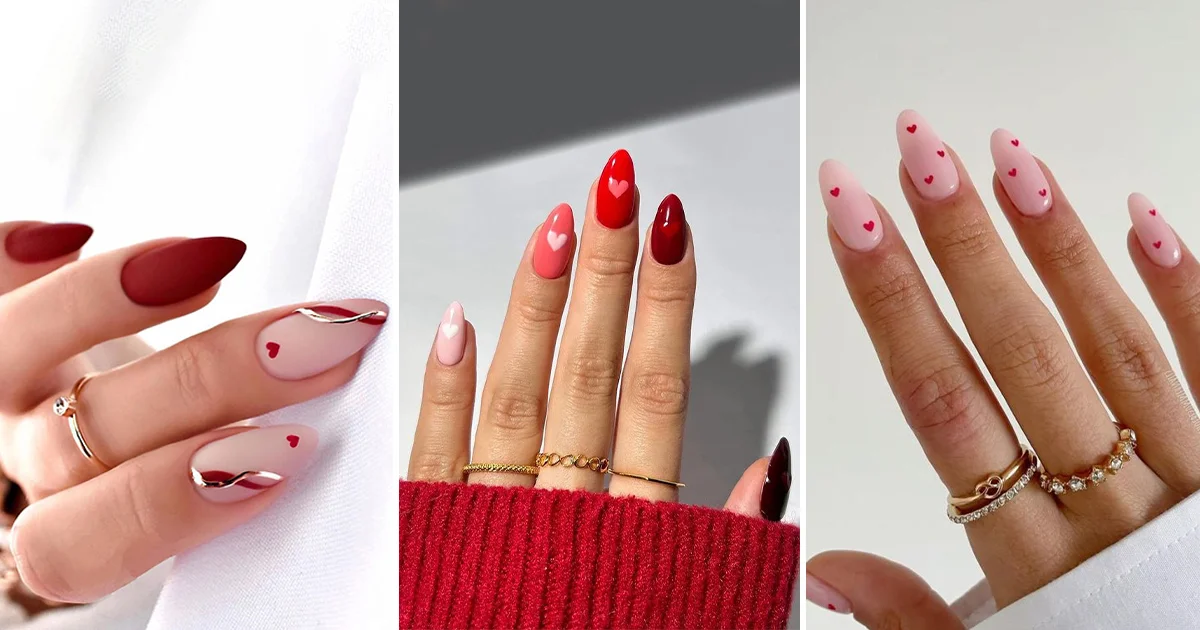


Damaged nails rarely happen overnight. One day, they look fine, the next, they peel, split, or bend far too easily. Gel manicures, constant removal, cold weather, and everyday wear quietly take their toll. If your nails feel thin, rough, or fragile, they are asking for recovery rather than another cover-up.
This is where a nail repair gel for damaged nails earns its place. It maintains the nail as it grows, shielding it from everyday stress and making it appear smoother and healthier along the way, rather than concealing weakness. This has emerged as the best at-home nail treatment for many Kiwis who feel that going to the salon is too frequent or too harsh.
Let’s break down how nail repair gels work, why at-home care matters and how to get real results without overcomplicating your routine.
A nail repair gel is not designed to decorate first. Its job is to protect, smooth, and support nails while they recover.
A nail repair gel for damaged nails focuses on shielding weakened nails from daily knocks, water exposure and friction. This protective layer helps reduce splitting as the nail grows.
Unlike rigid finishes, repair gels remain flexible. This reduces surface cracking and helps nails bend slightly without snapping.
Even before nails fully recover, repair gels smooth texture and add a clean, healthy finish. Nails look cared for, not covered.
Curious to see how your nails can bounce back? Check out Pink Armour Nail Gel for a gentle, at-home boost.
Salon treatments have their place but recovery often happens best between appointments.
Busy schedules, family life and work hours do not always allow regular salon visits. At-home care gives you control and consistency.
Frequent removal and reapplication can weaken nails further. The best at-home nail treatment supports recovery without constant stripping.
One reliable product used consistently often does more for nail health than multiple quick fixes.
Daily or regular care helps nails grow out stronger rather than cycling through damage.
Repair gels don’t fix nails instantly but they create the right conditions for improvement.
Consistency matters. Using a nail repair gel for damaged nails every few days helps maintain protection as nails grow.
Consistency matters more than quantity.
Remove the old product gently and ensure nails are completely dry before application.
A light layer provides the flexibility and reduces peeling or lifting.
Rushing this step can affect wear and finish.
Regular reapplication keeps nails protected as they grow.
Avoid scraping. Gentle removal protects nail layers.
Recovery is gradual and depends on nail condition and routine.
Nails often look smoother and feel less fragile.
New growth appears stronger and less prone to splitting.
Nails grow out healthier from base to tip with continued care.
If you notice these issues, repair care can help.
These are signs nails need support rather than more pressure.
Nail repair gels suit a wide range of lifestyles.
A nail repair gel for damaged nails adapts easily to everyday life.
Weather plays a bigger role in nail health than many realise.
Dry air can make nails brittle. A repair gel helps lock in protection.
Water exposure weakens nails. A protective layer reduces moisture loss.
Daily activity puts stress on nails from gardening to sports. Repair gels help buffer that impact.
Recovery does not end once nails improve.
Many Kiwis keep nail repair gels as a staple rather than a short term fix.
The right at-home nail care option should fit into your routine without adding extra steps or effort. Recovery works best when it feels easy rather than clinical.
A good treatment should feel comfortable enough to wear daily. Nails should move naturally without feeling stiff or coated.
The best at-home nail treatment is one you will actually use. Simple application and low maintenance lead to better long-term results than complicated routines.
Choose a product that focuses on protecting nail growth rather than just improving shine for a day or two.
Many people rotate nail repair gels in between manicures. This helps nails reset and rebuild before the next colour phase.
Pink Armour Nail Gel is often chosen for this stage because it blends easily into regular nail care without forcing a full routine change.
It creates a protective layer that supports weak nails, reduces splitting and improves surface smoothness as nails grow.
Frequent polish removal, gel or acrylic wear, cold weather, and constant hand washing are common causes.
Every two to three days works well for most people. Consistency matters more than frequency.
Yes, many people use repair gels as a base layer under colour.
Healthy nails come from the patience, protection and small daily habits. A nail repair gel supports that process by shielding nails while they grow stronger over time. Instead of masking damage, it allows nails to recover naturally.
For Kiwis looking for the best at-home nail treatment, the goal is simple. Protect what you have, support new growth and keep nail care easy enough to stick with. Stronger, smoother nails follow naturally when recovery comes first.
Start your nail recovery journey today with Pink Armour Nail Gel, your at-home solution for stronger, smoother nails.