
When someone is in a medical crisis, the first minutes are very important. Basic Life Support training helps rescuers learn how to respond in emergencies. This training gives you clear steps for helping someone whose heart or breathing has stopped. Many people new to health care or emergency response feel unsure about what to expect from a BLS class. Knowing what the course covers and how it works can make you feel more ready to learn.
This article explains what you will do in a BLS course, the skills you will build, and how the training helps you act with confidence. Whether you are preparing for a job or looking to help your community, understanding the course can make the experience easier and more useful.
Basic Life Support, or BLS, means the basic knowledge and actions needed to help someone in an emergency. The focus is on early care. You learn how to act quickly and correctly until advanced medical help arrives. BLS training is about helping a person stay alive and stable.
Rescuers learn steps that have been proven to help keep blood and oxygen moving through the body. This training helps you act without fear and follow the right sequence of care.
Many people enroll in BLS classes, including:
Some jobs require BLS certification before you start work. This shows you know the trusted steps to help a person in crisis. You can find a training option that fits your schedule and learning needs, like this Basic Life Support certification program:.
Most BLS classes include both learning and practice. You begin with simple lessons. These explain why each skill is important. You also learn safety steps so you protect yourself and the person you are helping.
The course often includes:
The training is designed so even beginners can follow the steps and feel ready to act.
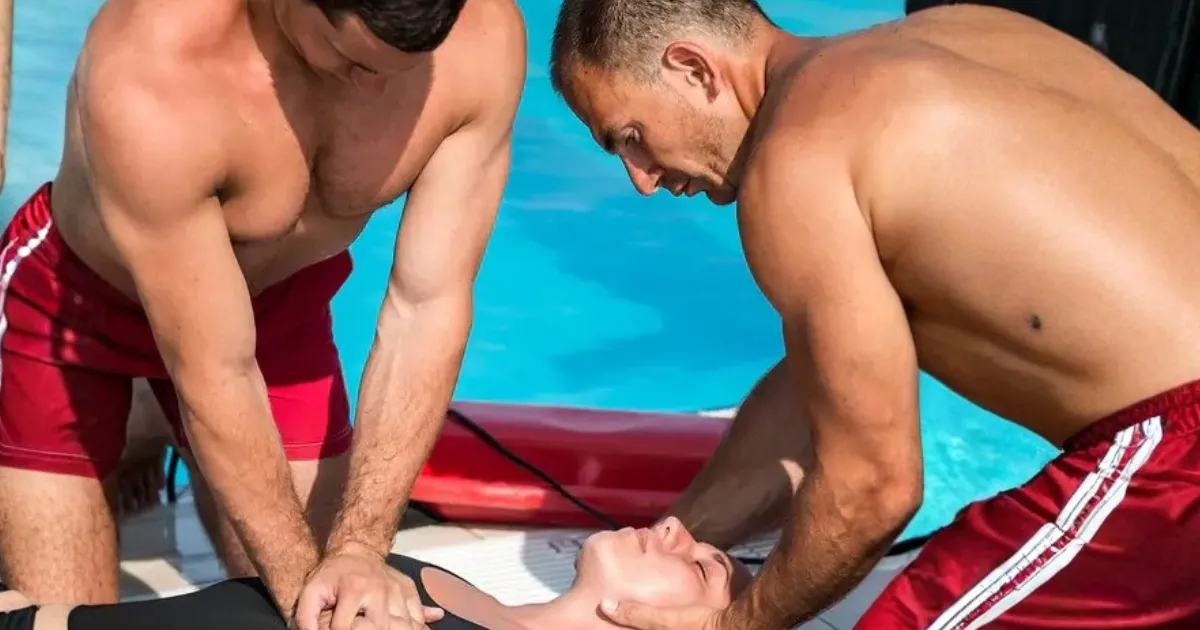
One key part of BLS training is hands on practice. This means you will work with practice tools and manikins. These help you learn how to perform skills correctly.
During hands on practice, you will:
Practicing with tools helps you remember how much pressure to use and where to place your hands. This builds confidence so you know what to do in a real event.
Cardiopulmonary Resuscitation, or CPR, is a major part of BLS. CPR keeps blood and oxygen moving in someone whose heart has stopped. In the course you will learn:
You will repeat these steps until they become familiar. This repetition helps your hands and mind work together when it matters most.
Some BLS courses teach you how to use basic breathing tools. These help a person who is not breathing well. You will learn how to place and use these tools properly. Most of the tools are for practice only, but they help you feel confident.
Learning tools means you will:
These skills are useful in healthcare settings and emergency response roles.
In real emergencies, you may work with others. BLS training teaches you how to be part of a team. You learn to communicate and share jobs with others. For example:
Working as a team helps you act faster and more smoothly. Training shows how each person can help so the response is clear and organized.
At the end of a BLS course you usually complete a test to show what you have learned. The test can include:
The instructor watches and gives feedback. You may repeat a skill until you get it right. This helps make sure you are ready to help in real life.
When you finish the BLS course, you receive a certificate. This shows you have completed the training and passed the skills check. The certificate can be used:
Certificates need periodic renewal so your skills stay current. Many workplaces and agencies require updated certification every few years.
Getting the most from your training means being prepared and engaged. Some tips include:
Staying calm and focused helps you learn faster and retain the skills you need.
Emergencies can happen anywhere. They can occur at home, in school, at work, or in public places. Knowing how to act gives you the ability to help when seconds count. BLS training teaches you trusted steps to follow so you can help someone safely and effectively.
Learning these skills is not just for work. It is also useful in everyday life. Being trained means you can step in and make a difference when someone needs help.
Conclusion
BLS training helps you build confidence and skills for real emergencies. The course is clear, hands on, and designed to prepare you to act with care and confidence. You learn essential steps such as CPR, breathing support, teamwork, and how to stay safe while helping others.
Whether you plan to work in health care or want to be ready to help in your community, BLS training gives you a foundation of trusted lifesaving skills. With practice and focus, you will feel prepared to make a difference when someone needs help. By knowing what to expect, you can enter your course with confidence and walk away ready to act when it matters most.

Are the men in house ready to take their style game up a notch? Aly at Vogue Vocal is the eyes and ears of entertainment industry with that Gen-Z x-factor! Aly’s personal style statement raises the bar high and knocks it out of the park so trust him for picking the best for Vocal Fashion, our e-magazine edit, the heart and soul of Vogue Vocal!