
By Eduard Valenzuela, MD, FAAP
Choosing a dandruff shampoo is harder when your scalp also stings or reacts to products. The front of a bottle may promise freshness, softness, or a soothing experience, but those descriptions do not answer the most useful questions. Is this a treatment for the problem you have? What is in the formula? Can you use it comfortably and according to its directions?
There is no need to name one shampoo the best choice for every sensitive scalp. A better comparison starts with the cause of the symptoms and the information on the label.
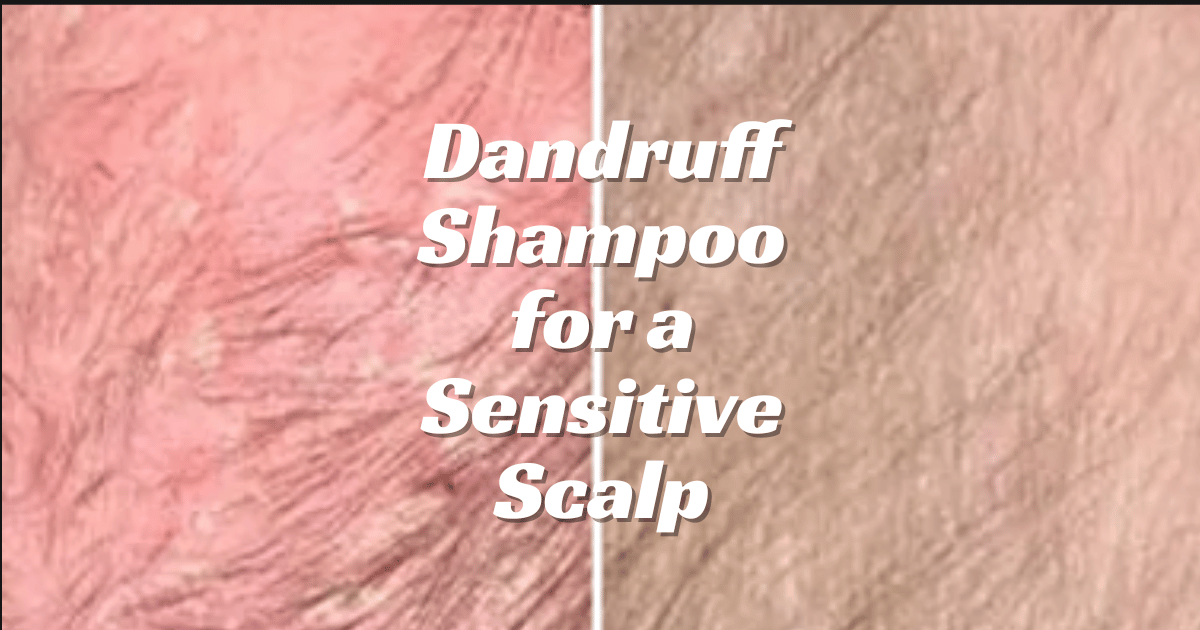
A dry scalp and dandruff can look similar. Dryness involves loss of moisture, while dandruff often occurs with seborrheic dermatitis. Psoriasis and other conditions can also cause scaling. A gentle nonmedicated shampoo may help a scalp irritated by a hair product, while dandruff may call for a medicated option.1
Notice whether burning or itching started after a new shampoo, hair dye, or styling product. Residue from incompletely rinsed shampoo can irritate the scalp, and a product ingredient can cause allergic contact dermatitis. If you suspect a reaction, stop the suspected product and seek advice if symptoms persist or are significant.2
Antidandruff ingredients include pyrithione zinc, ketoconazole, selenium sulfide, salicylic acid, sulfur, and coal tar. They are not interchangeable in every situation, and products have different directions and age restrictions. The active ingredient and labeled purpose tell you more about treatment than words such as fresh or balancing on the front of a bottle.3
Happy Cappy Medicated Shampoo & Body Wash is one fragrance-free option containing pyrithione zinc 0.95%. The label addresses symptoms associated with dandruff and seborrheic dermatitis. It is a medicated product, distinct from Happy Cappy’s nonmedicated Daily wash.4 This distinction is useful when choosing between bottles from the same brand.
For skin prone to irritation, a fragrance-free formula is a reasonable feature to consider. Skin affected by seborrheic dermatitis can react to fragranced products, and gentle cleansing with thorough rinsing is part of recommended self-care.5 That does not mean any particular formula is guaranteed to agree with everyone.
The FDA does not define a federal standard for the term hypoallergenic on cosmetics. The word cannot establish that a product will never cause a reaction. Known ingredient allergies still matter, even when a bottle is marketed for sensitive skin.6
Make a short comparison based on useful facts: the active ingredient, fragrance status, directions, any ingredients you already know you react to, and the amount of product you receive. A longer list of attractive claims is not a substitute for those details.
Do not borrow a contact time from a different shampoo. Some dandruff products need a specified interval on the scalp before rinsing; others have different instructions. Apply the product as directed and rinse thoroughly. Hair texture also affects how a treatment fits into the washing routine.3
Avoid turning the first wash into a trial of several new products at once. Keeping the rest of your routine familiar makes it easier to describe what changed. If a product causes a new rash or worsening discomfort, stop using it rather than assuming that stinging proves it is working.
Persistent symptoms despite over-the-counter care deserve an examination. Distinct patches of hair loss, sores, or substantial inflammation can indicate a condition that needs a different treatment, such as scalp psoriasis or a fungal infection.1,2
Bring the products or photographs of their labels to the appointment. The most useful shampoo choice is the one matched to the actual scalp problem, with directions you can follow and a formula your skin tolerates.
Author disclosure: Eduard Valenzuela, MD, FAAP, is a pediatrician and the founder of Happy Cappy. This article mentions a Happy Cappy product.
This article provides general educational information and does not replace individualized medical care.
Sources checked October 3, 2026. Product descriptions and directions are drawn from the manufacturer or published Drug Facts label.