

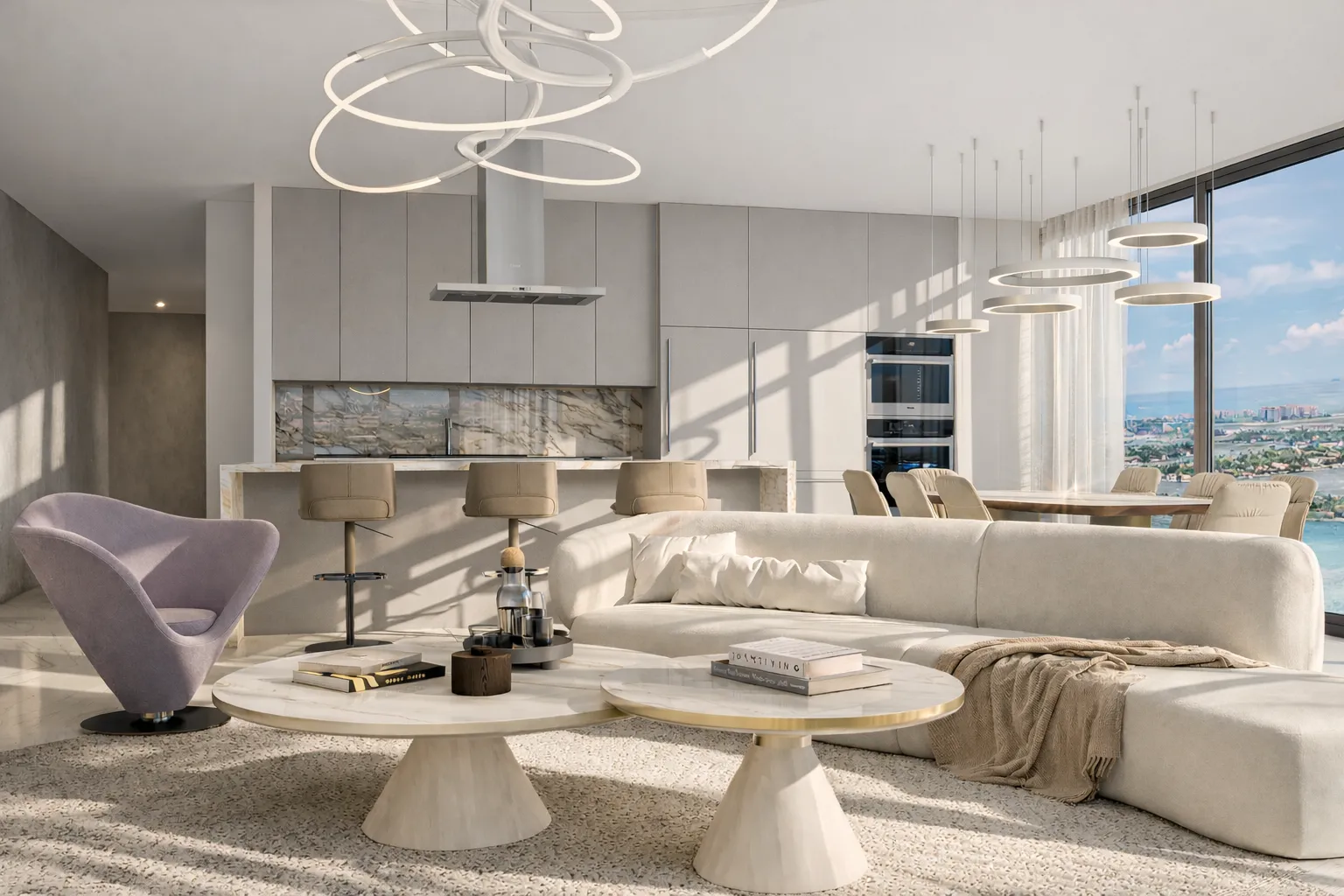
Miami stands at the forefront of contemporary interior design innovation, where tropical elegance meets cosmopolitan sophistication. As we navigate through 2026, the landscape of residential and commercial spaces in South Florida is undergoing a profound transformation. An accomplished interior designer Miami understands that today’s refined living extends far beyond aesthetic appeal—it encompasses sustainability, intelligent technology integration, and a deep connection to our natural environment.
The eight defining trends emerging across Miami’s design sector reflect a collective shift towards spaces that are not only visually stunning but also genuinely liveable, adaptable, and responsible. Whether you’re renovating a penthouse in Brickell, a waterfront estate in Coral Gables, or a contemporary residence in Wynwood, understanding these trends is essential for creating spaces that will remain relevant and desirable for years to come.
This comprehensive guide explores each of these transformative trends, examining how leading professionals in the interior design Miami market are redefining what it means to live well in one of America’s most dynamic cities.

Biophilic design represents a fundamental shift in how we approach interior spaces—one that recognises our innate human need for connection with the natural world. For an interior designer Miami, this trend is particularly relevant given the city’s unique coastal environment, abundant tropical vegetation, and year-round sunshine. Biophilic design goes beyond simply adding plants to a room; it’s about creating an immersive experience that brings the essence of Miami’s natural landscape indoors.
The foundation of biophilic design lies in the thoughtful selection of natural materials that echo Miami’s environment. Reclaimed teak and driftwood, limestone, coral stone, and sustainably sourced hardwoods create visual and tactile connections to the region’s maritime heritage. An expert interior designer Miami integrates these materials into flooring, wall treatments, and architectural features, creating spaces that feel organically connected to their surroundings.
Designers source materials that not only reflect Miami’s aesthetic but also carry the authenticity of natural elements. Exposed wooden beams, stone accent walls, and natural fibre textiles create layered environments where residents feel genuinely grounded, despite living in an urban setting.
Beyond traditional potted plants, 2026 sees the emergence of sophisticated living wall systems that transform vertical surfaces into thriving ecosystems. These installations serve multiple purposes: they improve air quality, create visual interest, and provide psychological benefits associated with proximity to living plants. An accomplished interior designer Miami understands how to integrate these systems without overwhelming a space, using them as focal points in open-plan living areas, home offices, or spa-like bathrooms.
The integration of botanical elements extends to the selection of indoor plants that thrive in Miami’s climate. Monstera deliciosa, bird of paradise, and various tropical ferns create authentic connections to the local landscape whilst requiring minimal maintenance in climate-controlled interiors.

Organic minimalism represents a refined evolution of traditional minimalist design—one that recognises that simplicity need not feel cold or sterile. For an interior designer Miami working with discerning clients, this approach offers the perfect balance between contemporary aesthetics and the warmth necessary for truly liveable spaces. It combines the clean architectural lines and uncluttered spaces of minimalism with the tactile, sensory richness of organic design.
The foundation of organic minimalism is architectural clarity. Spaces feature open floor plans, minimal wall treatments, and carefully considered proportions that allow each element to breathe. An interior designer Miami working in this style prioritises negative space as a design element in itself, recognising that what you choose not to include is as important as what you do.
This approach is executed through the lens of functional elegance. Custom millwork with seamless finishes, concealed storage solutions, and architectural elements serve both aesthetic and practical purposes. The result is spaces that feel expansive, serene, and effortlessly sophisticated.
Where traditional minimalism often relies on stark whites and greys, organic minimalism embraces a rich palette of warm neutrals—warm whites, soft beiges, warm greys, and natural stone tones. These colours provide visual calm whilst creating an inviting atmosphere. Layered textures—linen, wool, natural wood, and stone—add depth and sensory interest without introducing visual clutter.
The colour palette in organic minimalist spaces often draws inspiration from Miami’s natural environment: the soft sand of local beaches, the weathered tones of coastal architecture, and the subtle variations in natural stone. This approach creates interiors that feel both contemporary and timeless, sophisticated yet approachable.

As technology becomes increasingly sophisticated and user-friendly, the integration of intelligent systems has moved from luxury novelty to essential design consideration. A forward-thinking interior designer Miami recognises that smart home technology, when thoughtfully integrated, enhances comfort, efficiency, and security whilst remaining visually unobtrusive.
Intelligent lighting systems represent perhaps the most transformative application of smart home technology in interior design. These systems allow residents to adjust colour temperature, intensity, and scheduling to support circadian rhythms, enhance mood, and create specific ambiances for different activities. An interior designer Miami working with these systems understands how to specify fixtures that are both functionally advanced and aesthetically refined.
Lighting control systems operate seamlessly with architectural design. Recessed fixtures, linear LED systems, and decorative lighting elements are all coordinated through centralised control, allowing residents to transform their spaces with a simple voice command or mobile app adjustment.
Beyond lighting, intelligent climate control systems maintain optimal temperature and humidity levels whilst reducing energy consumption. Smart security systems—from facial recognition entry systems to integrated camera networks—provide peace of mind without compromising design aesthetics. Entertainment systems with concealed speakers, retractable screens, and integrated audio-visual solutions ensure that technology serves the space rather than dominating it.
The most successful implementations of intelligent technology in Miami interiors are those where the technology is felt rather than seen—where systems operate intuitively, responding to residents’ needs without requiring conscious interaction or visible infrastructure.

In a design landscape often dominated by fleeting trends, timeless luxury represents a countermovement—one that prioritises longevity, craftsmanship, and enduring value. An interior designer Miami working with this philosophy understands that true luxury is not about following the latest fashion but about creating spaces that improve with age and remain relevant across decades.
Timeless luxury is built on a foundation of exceptional materials. Marble—whether Calacatta, Statuario, or rare Italian varieties—provides timeless elegance that transcends trends. Rare woods, including walnut, oak, and exotic species sourced responsibly, create warmth and authenticity. Bespoke finishes, from hand-applied plasters to custom metalwork, add layers of sophistication and individuality.
Materials are sourced with meticulous attention to quality and provenance. Suppliers who can provide documentation of material origins ensure that every element meets rigorous standards for durability and beauty. This commitment to quality extends to craftsmanship—custom cabinetry, bespoke furniture, and artisanal finishes are specified with the understanding that they will be appreciated for generations.
Timeless luxury also encompasses the human element—the skill and artistry of craftspeople who bring designs to life. Handcrafted elements, whether custom millwork, bespoke furniture, or artisanal finishes, carry an authenticity that mass-produced items cannot replicate. An accomplished interior designer Miami recognises the value of collaborating with master craftspeople, artisans, and specialists who bring decades of expertise to their work.

The way we live has fundamentally changed. Remote work, flexible schedules, and evolving family structures mean that spaces must serve multiple purposes with grace and efficiency. An interior designer Miami working in 2026 understands that multifunctionality is not about cramming more into less space—it’s about creating environments that gracefully adapt to residents’ changing needs.
Multifunctional spaces are enabled through flexible layouts and modular design elements. Sliding partitions, pocket doors, and movable walls allow spaces to transform from private work areas to entertaining zones. Modular furniture systems provide flexibility without sacrificing aesthetics. Storage solutions are integrated throughout spaces, allowing residents to maintain visual clarity whilst accommodating the genuine needs of contemporary life.
Multifunctionality is approached through thoughtful spatial planning. Custom millwork serves multiple purposes—a home office that transforms into a guest bedroom, a dining area that accommodates both intimate dinners and large entertaining, a living room that functions as both relaxation space and fitness studio.
Intelligent systems enhance multifunctionality by allowing spaces to adapt automatically. Lighting adjusts for different activities, climate control responds to occupancy, and entertainment systems transition seamlessly from work mode to entertainment mode. An interior designer Miami working with these technologies creates spaces that feel responsive to residents’ needs.

In an increasingly digital world, the tactile experience of interior spaces has become more important than ever. Textures engage our senses, create visual interest, and add psychological depth to environments. An interior designer Miami working with discerning clients recognises that truly refined spaces appeal to all senses—not just sight.
Tactile richness is achieved through thoughtful layering of materials with varied textures. Soft linens, sculptural wool fabrics, natural leather, woven elements, and raw woods create visual and tactile interest. These materials are combined with refined finishes—polished stone, smooth plaster, and metallic accents—to create sophisticated contrasts.
Textile and material palettes are curated with meticulous attention to tactile qualities. Fabrics are selected not only for their visual appeal but for how they feel—the weight of a linen curtain, the softness of a wool upholstery, the warmth of a natural fibre rug. These sensory details create spaces that residents genuinely enjoy inhabiting.
Venetian plaster represents a particularly sophisticated application of tactile design. This ancient technique, refined over centuries, creates luminous, multi-layered wall finishes that shift in appearance depending on light and viewing angle. The application process is labour-intensive and requires master craftspeople, making it a hallmark of luxury interiors.
Beyond traditional Venetian plaster, contemporary applications include sculptural finishes, textured wall treatments, and custom plaster applications that create architectural interest. An accomplished interior designer Miami understands how these finishes can transform a space, creating focal points that are both visually stunning and genuinely tactile.

Sustainability has evolved from a niche concern to a fundamental design principle embraced by leading professionals across the industry. An interior designer Miami working in 2026 recognises that conscious design is not about sacrifice—it’s about making intelligent choices that benefit both residents and the environment.
Conscious design begins with material selection. Sustainably harvested woods, recycled materials, low-VOC finishes, and materials with minimal environmental impact are specified throughout projects. Working with suppliers who can provide documentation of sustainable practices ensures that every material choice aligns with environmental values.
Beyond new materials, the reuse and repurposing of existing elements is embraced. Reclaimed materials, vintage furniture, and salvaged architectural elements add character whilst reducing environmental impact. This approach often results in more interesting, authentic interiors than those created entirely from new materials.
Conscious design extends beyond materials to encompass the systems that make spaces comfortable. Energy-efficient HVAC systems, LED lighting, smart thermostats, and passive design strategies reduce energy consumption without compromising comfort. Water-efficient fixtures and sustainable landscaping practices further minimise environmental impact.
An interior designer Miami working with environmental consciousness also considers the lifecycle of design decisions. Durable materials that will last for decades have lower environmental impact than trendy choices that require replacement. Timeless design that remains relevant across years reduces the need for costly renovations.

Lighting has long been recognised as essential to interior design, but 2026 sees lighting elevated to the status of art—as a primary design element that defines spaces and creates visual identity. An accomplished interior designer Miami understands that statement lighting is not simply about illumination; it’s about creating focal points, establishing mood, and expressing design intent.
Statement lighting takes many forms. Sculptural pendant fixtures become artistic installations that draw the eye and spark conversation. Architectural lighting—integrated into ceilings, walls, and architectural elements—creates visual drama whilst serving functional purposes. Custom lighting installations, designed specifically for individual spaces, become signature elements that define the character of interiors.
Collaborating with lighting designers and artisans creates custom installations that are uniquely suited to each project. Whether a dramatic chandelier in a grand foyer, integrated linear lighting in a contemporary kitchen, or sculptural wall sconces in a luxury bedroom, lighting is approached as a primary design element.
Sophisticated lighting design employs multiple layers—ambient lighting for general illumination, task lighting for specific activities, and accent lighting to highlight architectural features and artwork. An interior designer Miami working with statement lighting understands how these layers work together to create dynamic, responsive environments.
The colour temperature of lighting is also carefully considered. Warm colour temperatures (2700-3000K) create intimate, welcoming atmospheres, whilst cooler temperatures (4000-5000K) enhance focus and clarity. Dimmable systems allow residents to adjust lighting to match their activities and moods, creating spaces that feel responsive to their needs.

The eight trends defining Miami’s interior design landscape in 2026 represent far more than aesthetic preferences—they reflect a fundamental shift in how we think about the spaces we inhabit. From biophilic design that reconnects us with nature to intelligent technologies that enhance our daily lives, from conscious sustainability practices to statement lighting that transforms spaces, these trends collectively point toward a future of refined, thoughtful, and genuinely liveable interiors.
As you consider your own interior design project, whether you’re seeking to refresh a single room or undertake a complete home renovation, these trends offer valuable guidance. An experienced interior designer Miami can help you navigate these possibilities, creating spaces that reflect your values, enhance your lifestyle, and stand the test of time.
Professionals like Natalia, the visionary behind Natalia Neverko Interior Design Miami, specialise in translating these contemporary design trends into personalised, sophisticated interiors that exceed expectations. With deep expertise in Miami’s unique design landscape, a commitment to quality and sustainability, and a passion for creating truly liveable spaces, homes and commercial properties are transformed into refined environments that their inhabitants genuinely love.
Whether you’re drawn to the natural elements of biophilic design, the elegant simplicity of organic minimalism, or the cutting-edge integration of intelligent technologies, the right interior designer Miami can help you realise your vision. The future of refined living in Miami is not about following trends blindly—it’s about making conscious, thoughtful choices that create spaces where you genuinely want to spend your time.
Discover how professional design expertise can transform your Miami property into the refined living space of your dreams. Contact a leading designer today to discuss your interior design project and begin the journey toward creating truly exceptional interiors.

Are the men in house ready to take their style game up a notch? Aly at Vogue Vocal is the eyes and ears of entertainment industry with that Gen-Z x-factor! Aly’s personal style statement raises the bar high and knocks it out of the park so trust him for picking the best for Vocal Fashion, our e-magazine edit, the heart and soul of Vogue Vocal!