
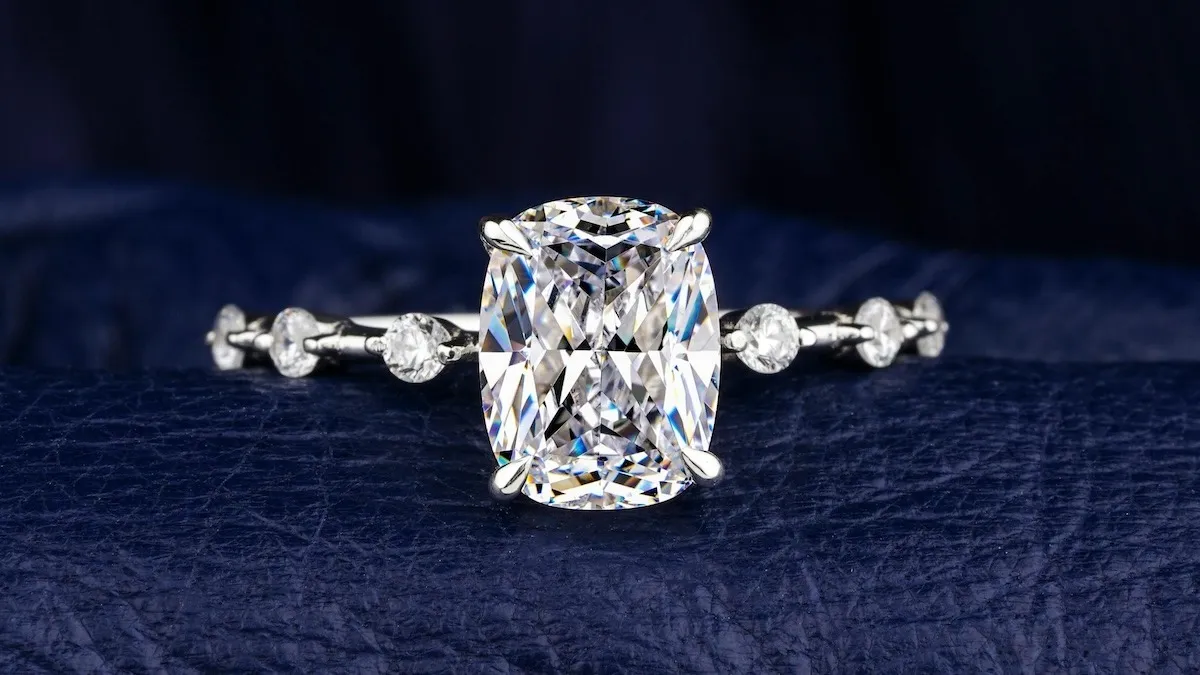
Selling a diamond, especially a diamond ring, pendant, earrings, or loose stone, requires a clear-headed approach, particularly in 2026. The natural diamond market has steadied after earlier softness. Round brilliant prices are mostly holding firm, with top-quality stones showing only slight softening. Fancy shapes like long Ovals, Marquise, and some cushions are even doing better than rounds in larger sizes (2+ carats). Demand is selective. Buyers favor visually striking diamonds above 1 carat, while smaller, more commercial pieces feel pressure from budget-conscious shoppers and lab-grown alternatives.
Resale values haven’t changed much. Natural diamonds usually sell for about 30–60% of their original price, often around 40–50% for well-documented stones. The exact value depends on the carat, color, clarity, cut, certification, and what’s currently popular. GIA-certified stones command the strongest offers; uncertified or lab-grown diamonds see significantly lower liquidity and value.
Here are practical, step-by-step tips to help you maximize your payout when selling diamonds, focusing on the diamond buyer process for diamond rings and loose stones in a place like Palm Beach.
Identify the exact details: carat weight, color grade (D–Z scale), clarity (FL to I3), cut quality (Excellent, Very Good, etc.), and any fluorescence or treatments. Make sure your diamond has a GIA certificate—the most trusted one. IGI or AGS are fine too, but a GIA usually gets the best offers. If it’s a loose stone, weigh it carefully.
For mounted pieces like rings, note that the metal, platinum, or gold adds value and the design, since vintage or designer styles can raise the price beyond the stone alone. Take clear, well-lit photos from different angles: top, side, the girdle inscription, and any wear on the prongs or band.
Paperwork is your biggest leverage. A complete GIA report (preferably recent or original), the original purchase receipt, a certified gemologist’s appraisal, and any brand packaging (Tiffany, Cartier, etc.) can boost offers by 10–30% by lowering buyer risk. Without certification, expect lower, cautious bids. Buyers tend to assume the worst for uncertified stones.
If your diamond ring has a story or special tale behind it, be sure to share it. Unique or vintage cuts can often grab extra interest, such as Old Mine or Old European.
Use reliable sources for real-market data rather than retail listings. Sites like PriceScope, Rapaport (RAPI index), or diamond market trackers show recent transaction averages. In February 2026, a top-quality 1-carat round D FL might go for about $16,000–$16,300 per carat wholesale, but resale offers will be lower. Fancy shapes in high demand, like long Marquise or Radiant, can do even better.
Don’t forget, you would not get full retail. Thus, aim for fair secondary pricing, minus the buyer’s margin (usually 20–50%, depending on the market and condition). Don’t expect too much! The market remains disciplined, and top diamonds are still scarce.
For speed, privacy, and strong offers on diamond rings or loose stones. An in-person diamond buyer in Palm Beach usually wins.
Contact 2–4 trusted diamond buyers and get formal appraisals/offers. Explain your diamond’s specs upfront (especially certification) so they can prepare. A good diamond buyer will break down their values, including condition, margin, and current market comps. Trusted and reliable buyers won’t rush you and will explain things precisely. You can compare offers without feeling rushed. Expect fair prices that reflect today’s stable but selective market.
Clean it gently with warm, soapy water and a soft brush. Avoid harsh chemicals or ultrasonic cleaners if unsure. For rings, make sure prongs are secure. Be honest about any chips, visible inclusions, or recutting history, as buyers will notice during grading.
Carry diamonds discreetly in a plain bag and meet at a trusted, well-known location. In Florida, you need ID for big transactions, and cash over $10,000 must be reported. For expensive rings, bring a trusted friend or go during the day.
Early 2026 shows steady but cautious conditions. There is some optimism from trade updates and positive market reports. If your diamond is strong—premium color or clarity, fancy shape, 1+ carat—selling now captures current demand. Don’t chase imagined highs. Markets can shift quickly due to supply changes or global news, such as De Beers’ production cuts.
Get the Best Price on Your Diamonds from a Reliable Purchaser
Selling diamonds or a diamond ring isn’t about recouping retail; it’s about securing fair secondary-market value in a transparent, low-risk way. Preparation (certification, photos, research) and choosing a proven diamond buyer make the biggest difference. If you’re in South Florida, starting with a no-obligation consultation at a top jewelry store on Worth Ave in Palm Beach, FL, like Fabrikant & Miller—set up for exactly these kinds of high-end, private diamond transactions—gives you a confident baseline. Call ahead, share basic details, and compare a couple of offers. You’ll walk away knowing you handled it smartly.

Are the men in house ready to take their style game up a notch? Aly at Vogue Vocal is the eyes and ears of entertainment industry with that Gen-Z x-factor! Aly’s personal style statement raises the bar high and knocks it out of the park so trust him for picking the best for Vocal Fashion, our e-magazine edit, the heart and soul of Vogue Vocal!