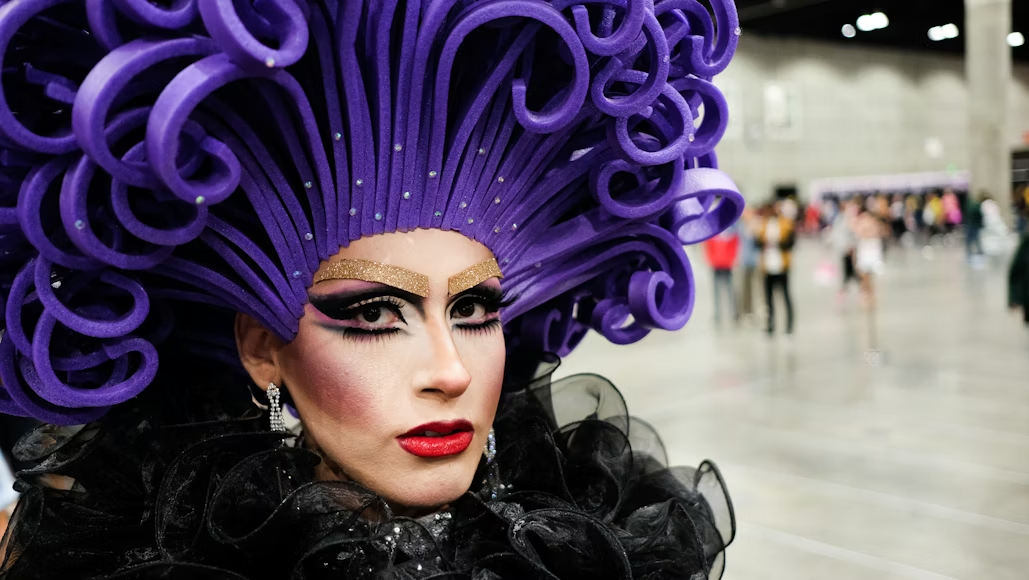
Drag fashion is more than just dressing up. It’s a bold way to express identity and share ideas, with roots in theatre and underground communities. What began as secret performances in hidden spaces has grown into a powerful influence on beauty, style, and how we talk about gender.
Once seen as rebellious, drag has moved into the spotlight and shaped fashion around the world. Early performers worked in private clubs, but their confidence and creativity slowly changed attitudes. Figures like Julian Eltinge and the drag balls of the Harlem Renaissance showed how drag could turn from a niche art into something widely admired.
Shows like *RuPaul’s Drag Race* helped drag reach a global audience. Designers and celebrities began drawing inspiration from its colour, glamour, and playful edge. Today, drag fashion reflects a wider push for diversity, with trends that explore digital spaces and more sustainable ideas.
By linking its rich history with modern conversations about identity, drag fashion has become a strong cultural force. Its fearless creativity keeps fashion evolving, proving it can adapt, inspire, and entertain in a changing world.
Drag fashion has its roots in early theatre, where performers used creativity to work around strict rules. In Ancient Greece, only men were allowed on stage, so they played both male and female roles using costumes and makeup. This turned gender-swapping into a performance skill and laid early foundations for drag as an art form.
In Japan, Kabuki theatre added its own influence. From the 1600s, male actors called *onnagata* specialised in playing women. They focused not just on clothing, but on gestures and movement, and their performances were highly respected, adding another layer to drag’s history.
Renaissance England followed a similar path. In Shakespeare’s time, men played every role, including female characters. These performances helped move cross-dressing from a simple necessity to a recognised talent, with some even linking the word “drag” to long skirts trailing across the stage.
Over time, each performance challenged rigid ideas about gender. These early moments helped shape drag into the bold, expressive, and playful celebration of identity we see today.
Drag balls in early 20th century Harlem set the stage for what drag fashion would become. These lively events offered a rare haven for Black LGBTQ+ people to shine, experiment, and let their creativity run wild. Sequined gowns, sharp suits, and dramatic looks ruled the night, shaping a distinct style that still echoes in drag culture today.
Style at these balls was far more than dress-up; it was bold self-assertion. Fashion choices gave participants the nerve to ignore outdated rules about gender and identity. Each outfit became an act of defiance, a way for individuals to say, “Here I am,” even as society tried to shut them out.
The scene wasn’t just about standing out. It was a community coming together, offering support to those who often found themselves unwelcome elsewhere. Drag fashion at Harlem balls isn’t just a footnote in history—it’s an inspiring example of how clothing can become a powerful language when words aren’t enough.
The 1950s and 1960s brought a bold, playful style to drag fashion that still influences it today. This era embraced “camp,” which meant exaggeration, drama, and standing out. Drag looks became brighter and bigger, with loud prints and striking makeup used as a fun way to challenge dull rules and expectations.
Hollywood also left a strong mark. Drag queens drew inspiration from movie stars, copying their glamour and confidence. This blend of camp fun and classic elegance made drag fashion more polished and appealing to a wider audience.
This time also saw the rise of “drag mothers,” experienced queens who guided newcomers. They shared skills like makeup, sewing, and stage presence, helping drag culture grow even in difficult times. Because of this support, drag fashion became more than flashy outfits—it became a powerful mix of creativity, resilience, and community.
The 1970s disco era gave drag fashion a huge boost, filled with sparkle, confidence, and gender-blending style. Nightclubs became the perfect stage for bold looks, with sequins, platform shoes, and glittery makeup helping performers shine under flashing lights.
Stars like David Bowie helped blur the lines between masculine and feminine fashion, inspiring drag artists to play freely with identity. This freedom allowed performers to reinvent themselves often and surprise audiences with daring, creative looks.
Drag in the 1970s was also deeply tied to activism. After the Stonewall Riots, drag queens stood at the front of the LGBTQ+ movement. Their fashion became a form of protest, using visibility and style to demand acceptance, pride, and equal rights, both on and off the dance floor.
In the 1980s and 1990s, ballroom culture’s fingerprints were all over high fashion. The scene exploded into public view thanks to the documentary “Paris Is Burning,” which captured the colourful energy and creativity found in drag fashion. Here, streetwear clashed delightfully with full-blown glamour. Designers like Thierry Mugler and Jean-Paul Gaultier took major cues from this underground world, mixing boldness and attitude straight into their runway shows. With this surge of interest, high fashion houses couldn’t help but notice, and soon, what had once been tucked away at late-night balls was front and centre in mainstream style.
Then came the grunge-soaked 1990s, where drag fashion decided it didn’t need to pick just one lane. The lines between drag style, grunge, and pop culture got blurry—and RuPaul stormed onto the scene. “Supermodel (You Better Work)” wasn’t just a catchy anthem; it was a signal that drag had properly arrived. RuPaul’s looks took the glamour of drag and brought it crashing together with the easy-going edge of grunge: think flannel shirts, combat boots, and a don’t-care-what-you-think attitude. This mashup proved drag fashion could shapeshift with the times, solidifying its influence way beyond ballroom walls and onto a much bigger stage.

Television has played a huge part in moving drag culture from the underground into the spotlight. “RuPaul’s Drag Race” is widely credited for this shake-up, turning drag into mainstream entertainment and influencing everything from fashion to pop culture.
Since 2009, the show has introduced viewers to a colourful mix of drag styles and personalities. Contestants aren’t just putting on a show—they’re becoming international stars, showing fans around the world a whole new side to drag. The challenges blend fashion, performance, and wit, demonstrating that drag is an art form that breaks through cultural barriers.
The programme’s impact goes far beyond the US. Spin-offs have appeared everywhere from the UK to Canada and Australia, celebrating local drag traditions while giving global audiences fresh styles to admire. This cross-pollination has not only broadened the fanbase, but also sparked new trends, as designers take inspiration from the standout looks seen on screen.
Top designers have started collaborating with drag artists, finding fresh ideas in their fearless approach to beauty and style. Drag’s influence can be seen at every fashion week: dramatic makeup, bold colours, statement silhouettes—all staples of the drag world—have found their way onto runways and red carpets. It’s proof that what started on a competition stage can quickly become the next big thing in high fashion.
In the 2010s, fashion designers started working more openly with drag artists, bringing drag style into high fashion like never before. Designers like Marc Jacobs didn’t just take inspiration from drag—they put drag queens front and centre on runways and in campaigns. This helped break down old barriers between high fashion and drag culture and made self-expression and individuality something to be celebrated, not hidden.
At the same time, drag fashion became a strong voice for activism. Queens and kings began using their visibility and bold looks to speak up about LGBTQ+ rights, gender equality, and racial justice. Performers like Sasha Velour turned outfits into messages, using fashion to express identity, pride, and resistance, not just style.
By blending fashion, activism, and self-expression, drag artists showed that clothing can be more than just beautiful—it can mean something. Their growing influence has inspired designers, challenged stereotypes, and helped make the fashion world more open, more colourful, and far more welcoming.
Technology is changing drag fashion in a big way. Drag artists no longer rely only on clubs or live shows—they now share their work online. Platforms like Instagram and TikTok let performers post makeup tips, bold looks, and live performances. A single viral video can bring fans from all over the world, without leaving home.
Online spaces also make it easy for performers to share ideas and learn from each other. Drag artists swap tips, try new styles, and work together, keeping drag fashion fresh and exciting. Because of this constant sharing, drag queen style keeps evolving, with new looks and trends appearing all the time.
Sustainability and inclusivity are also shaping the future of drag fashion. Many performers are using recycled materials, reworking old outfits, and supporting eco-friendly brands. This creative reuse fits naturally with drag’s bold style, showing that fashion can be both eye-catching and environmentally aware.
At its heart, drag is about making everyone feel seen. Performers of all backgrounds and gender identities are claiming space and being heard, both on stage and online. Every confident look and fearless performance celebrates individuality and reminds us that fashion is strongest when everyone is included.
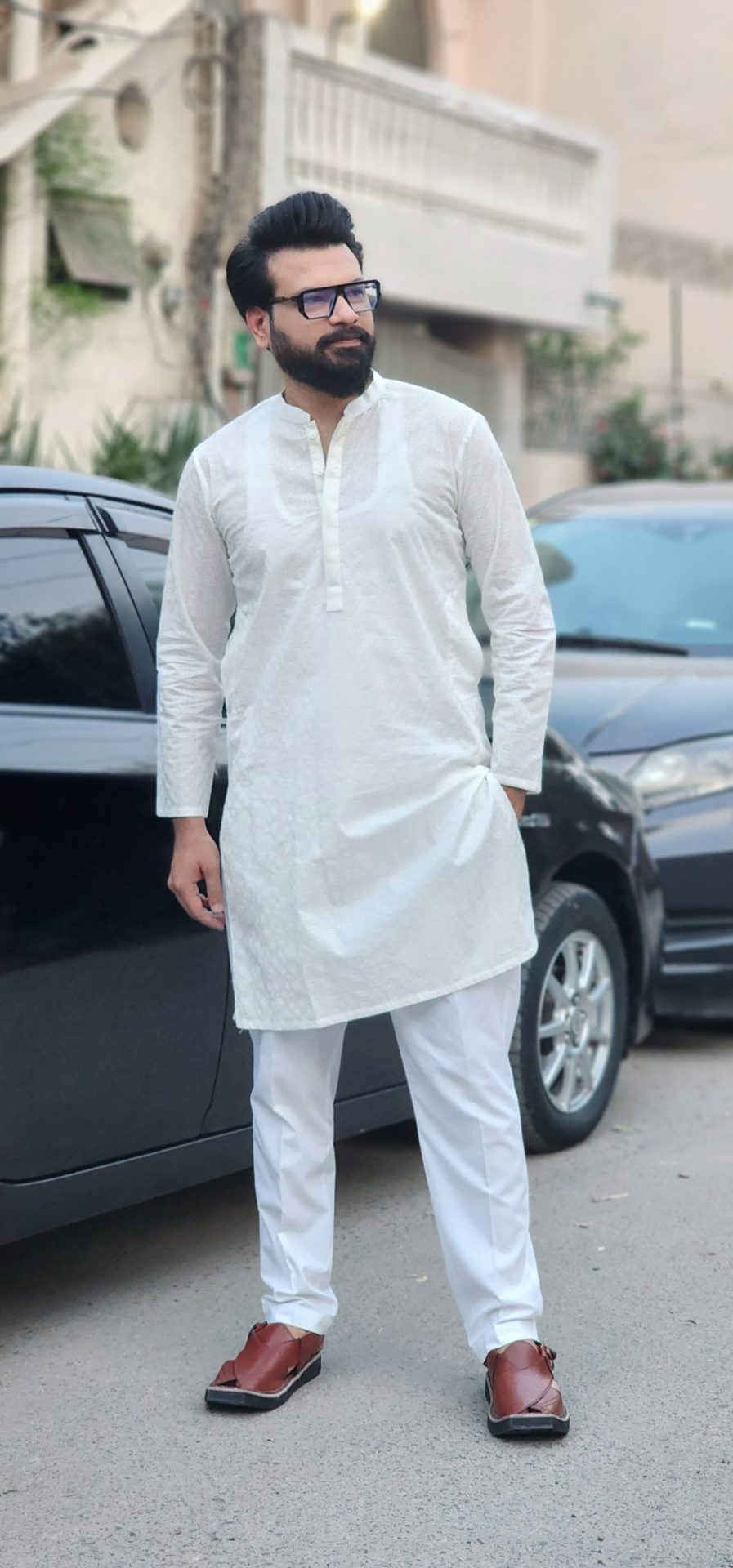
Are the men in house ready to take their style game up a notch? Aly at Vogue Vocal is the eyes and ears of entertainment industry with that Gen-Z x-factor! Aly’s personal style statement raises the bar high and knocks it out of the park so trust him for picking the best for Vocal Fashion, our e-magazine edit, the heart and soul of Vogue Vocal!